March 9, 2026
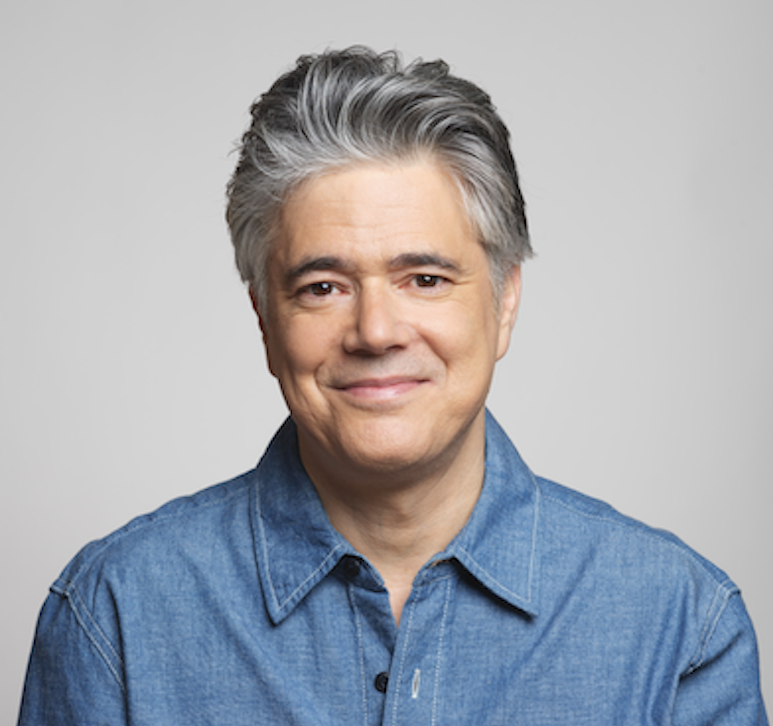
After graduating from college, Max Goldberg began working as an investment banker on Wall Street. “I used to wake up at 6:30 in the morning and smoke Marlboro Reds,” Goldberg told Ace over Zoom in February. After a series of career changes, he eventually became an organic food journalist, immersing himself in the burgeoning wellness world. “I quit drinking in 1999, cigarettes in 2000, and 11 years of antidepressants in 2001. I quit smoking pot in 2004. And I’ve never relapsed once on any of them.” Eventually, Goldberg also transitioned to a nearly 100% organic diet. “It was an evolution over time,” he says.
Goldberg started writing about his journey in the early aughts. What began as a blog soon became a 42,000-member LinkedIn group, and then, in 2016, a newsletter called Organic Insider. Today, it’s still going strong, with a readership largely composed of influential CEOs and founders. “I write about trends, business issues, politics, regulatory matters, [and] standards,” says Goldberg. “I really wanted the voice of Organic Insider to represent the small farmers in the U.S. whose voice is completely marginalized [by] big companies and big lobbyists.”
One of the issues Goldberg feels most passionately about today is hydroponics. “Hydroponics is a complete violation of federal law,” says Goldberg, citing the Organic Foods Production Act of 1990, which says that farmers must have a management plan that fosters soil fertility. “Growing tomatoes in a bucket of water does not foster soil fertility. And that’s being allowed. So consumers are being totally deceived when they go to the supermarket.”
The United States is the only country in the world where hydroponics is allowed to pass as organic, with many other countries growing hydroponic produce solely to export it to the U.S. Hydroponics also uses a lot of energy and produces large quantities of plastic waste—and Goldberg maintains that the final product is less flavorful. “If you compare a soil-grown organic blueberry from King Grove Organic Farm vs. a hydroponic organic blueberry at the supermarket, you will be stunned at the difference in taste,” Goldberg writes in an Organic Insider post. “It is night and day.”
Another area that Goldberg is hoping to effect change in is gene editing. “Gene editing is GMO 2.0,” says Goldberg. “It’s the next generation of genetically engineered crops. The big problem with that is some companies and countries around the world are saying this genetically engineered process is non-GMO. It’s total fraud.”
“As of now, [gene-edited foods are] not being labeled,” says Goldberg. This is legal under the National Bioengineered Food Disclosure Standard. In fact, the FDA’s superficial safety review process for gene-edited foods is currently voluntary. “Gene-edited crops are about to bombard supermarkets in a huge way, and consumers are going to have no idea.” As Goldberg writes in an Organic Insider post, gene editing is not about creating more nutritionally beneficial and affordable food for those in need. “Rather, it is all about patenting and owning the food supply, making money and amassing power.”
When Goldberg first became interested in organics, he was primarily focused on what he was putting into his body. But now, his lens has widened to supporting organic production methods because they are better for consumers, farmers, and the environment. “I think people really need to understand that every single time they eat, they have a choice,” says Goldberg. “They can say, ‘My money is going to go to companies like Bayer,’ or ‘My money’s going to go to organic brands.’ And that’s really what people need to be thinking about. Every single meal, they have a choice to make.”
If you want to stay up to speed with everything going on in organics, you can check out Organic Insider here and subscribe here.
 Email
Email Facebook
 Twitter